Welcome to Tanzania, a land of breathtaking landscapes, diverse wildlife, and extraordinary experiences.
This East African gem is one of the most enchanting safari destinations in the world, and home to the pristine Serengeti National Park, where you can witness the Great Migration and spot amazing wildlife such as elephants, lions, leopards, rhinos, giraffes, hippos, and zebras.
Tanzania’s coastline boasts some of the finest beaches in the world, including the idyllic islands of Zanzibar, Pemba, and Mafia, where you can enjoy pristine coral reefs and palm-fringed beaches.
Explore the majestic Mount Kilimanjaro, Africa’s tallest peak and the world’s tallest free-standing mountain. Visit other acclaimed natural sites such as Lake Manyara, Ngorongoro Crater, and Arusha National Park. For water sports enthusiasts, Zanzibar is a must-visit destination, known as one of the top diving locations in the world.
Plan your custom vacation to Tanzania with us and discover the wonders of this incredible country. The best time to visit is June to September, during the dry season and peak wildlife viewing season, or January and February for great rates and fewer crowds.




Serengeti National Park is one of the most iconic destinations in Africa, renowned for its breathtaking scenery, diverse wildlife and incredible landscapes. Located in northern Tanzania, the park spans over 14,750 square kilometres and is home to a variety of species, including the famous Big Five. Visitors to the Serengeti can experience the annual wildebeest migration, where millions of wildebeest, zebras and antelope travel across the plains in search of fresh grazing. The park also offers stunning views of the savannah, with its vast open grasslands, rocky outcrops, and winding rivers. Visitors can choose from a range of activities, from game drives and hot air balloon rides, to guided walks and cultural experiences with the local Maasai tribe.

Zanzibar is a stunning tropical paradise located off the coast of Tanzania. With its pristine white sand beaches, crystal-clear turquoise waters, and vibrant coral reefs, it’s no wonder that Zanzibar is a popular destination for tourists. The island is known for its rich history, which is still evident in the UNESCO-listed Stone Town, with its winding alleys and bustling markets. Visitors to Zanzibar can indulge in a range of activities, from snorkeling and scuba diving to swimming with dolphins and exploring the lush Jozani Forest. The island is also famous for its spices, and visitors can take a spice tour to learn about the island’s history and culture. Whether you’re looking for a relaxing beach holiday or an adventure-filled getaway, Zanzibar has something for everyone.

Trekking up Mount Kilimanjaro is an experience that will undoubtedly leave a lasting impression on anyone who attempts it. Kilimanjaro is Africa’s highest peak, standing at 5,895 metres tall. The trek to the summit is a challenging but rewarding journey, taking you through five distinct ecological zones, each with its own unique flora and fauna. Along the way, you’ll be treated to stunning views of the surrounding landscape, including the African savannah and the nearby peaks of Mount Meru and Mount Kenya. The trek to the summit typically takes between five and nine days, depending on the route you choose and your level of fitness. Whether you’re an experienced hiker or a novice, climbing Kilimanjaro is an incredible adventure that will test your endurance and leave you with memories that will last a lifetime. With the help of experienced guides and porters, you’ll have the opportunity to conquer one of the world’s most iconic peaks and experience the natural beauty of Tanzania like never before.

Mafia Island is a tropical paradise and a perfect destination for anyone looking to escape their busy lives. The island is surrounded by a marine park, which is home to a diverse array of marine life, including turtles, dolphins, whale sharks, and colorful coral reefs. Visitors can enjoy a range of activities, from snorkeling and scuba diving to kayaking and paddleboarding. The island is also a popular destination for fishing enthusiasts, with opportunities to catch everything from barracudas to yellowfin tuna. Aside from its aquatic offerings, Mafia Island is also steeped in history and culture, with a rich Swahili heritage that can be seen in its architecture and traditions. With its laid-back atmosphere, breathtaking natural beauty, and warm hospitality, Mafia Island is a must-visit destination for anyone looking for a relaxing holiday.

Selous Game Reserve is a vast wilderness area located in the south of Tanzania, covering over 50,000 square kilometres. This stunning reserve is home to a an array of wildlife, including elephants, lions, leopards, African wild dogs, and over 400 species of birds. Visitors to Selous can go on game drives, boat safaris, and walking safaris, giving them the opportunity to see these majestic animals up close in their natural habitats. The reserve is also known for its stunning landscapes, with vast grasslands, woodlands, and wetlands providing a breathtaking backdrop to the wildlife. In addition to its natural offerings, Selous is also steeped in history, with ancient ruins and rock paintings dating back thousands of years.
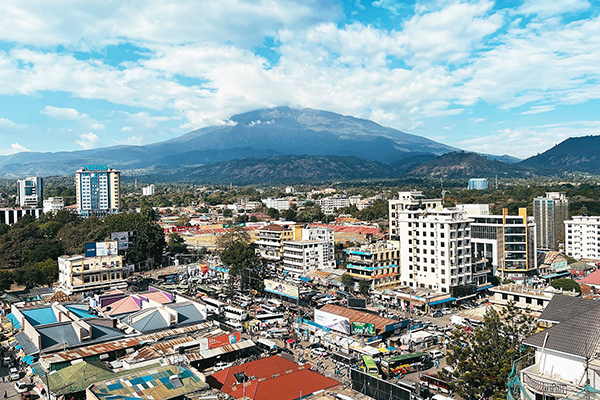
Arusha is a destination that offers a range of highlights, especially for those seeking a luxurious experience. The city is known for its world-class lodges that provide comfort and relaxation. Spend your first three days exploring the local markets, immersing yourself in the vibrant culture, and indulging in the local cuisine. Take time to appreciate the stunning views of Mount Meru, which offers breathtaking landscapes and opportunities for outdoor activities. Whether it’s hiking, wildlife safaris, or simply enjoying the tranquillity of nature, Arusha has it all.
Tanzania is a biodiversity hotspot, home to the Serengeti’s iconic wildlife migrations, diverse plant species, and unique ecosystems ranging from the savannas to the rainforests of the Eastern Arc Mountains.
Description: Often called the “king of the jungle,” the African Lion is known for its powerful build, majestic mane, and social structure. Lions live and hunt in prides, making them one of the most iconic and social big cats.
Habitat: Found in Tanzania’s Serengeti National Park and Ngorongoro Crater, where they live in the savanna and grasslands, often near water sources.
Interesting Fact: In Tanzania, particularly in the Lake Manyara region, lions are known to climb trees—a rare behavior among big cats. These tree-climbing lions seek refuge from the heat, as well as to get a better vantage point for spotting prey or avoiding flies and other pests.

Description: The Wildebeest, also known as the Gnu, is a large herbivore with a distinctive appearance—long, curved horns, a mane of dark hair, and a slightly hunched back. They are strong, resilient creatures that thrive in large herds.
Habitat: Found throughout Tanzania, especially in the Serengeti National Park, where they inhabit the savannas and open plains.
Interesting Fact: The Wildebeest is most famous for its annual migration, where over 1.5 million wildebeest, along with zebras and gazelles, move in a continuous loop between the Serengeti and Maasai Mara in Kenya. This incredible migration is driven by the search for fresh grazing, and it’s one of the most dramatic wildlife spectacles on Earth, with many wildebeest crossing crocodile-infested rivers.

Description: The Ground Hornbill is a large, striking bird with black plumage, a bright red face, and a curved bill. It has a prominent casque atop its bill and is easily recognized for its bold, dramatic appearance.
Habitat: This species thrives in open savannas, woodlands, and grasslands. In Tanzania, it’s commonly found in areas like Serengeti, Ngorongoro Crater, and Tarangire National Park, where it prefers ground-level foraging.
Interesting Fact: Ground Hornbills are highly social birds, living in family groups. The young help their parents raise future generations. Known for their deep, booming call, they often use this to communicate across the savanna. The Ground Hornbill is classified as Vulnerable by the IUCN Red List, facing threats from habitat loss, poaching, and declining populations. Conservation efforts are critical for its survival.

Description: The Masai Giraffe has irregular, jagged patches on its coat, which are dark and somewhat star-shaped making it easily distinguishable from other giraffe species.
Habitat: Found throughout southern and central Tanzania, including Serengeti National Park, Tarangire National Park, and Ruinsori. Masai giraffes prefer woodland, savanna, and acacia forests.
Interesting Fact: The Masai giraffe has a more erratic pattern of spots compared to other giraffe species, and it is one of the most iconic giraffes to see while on safari in Tanzania.

Description: Acacia trees are known for their umbrella-like canopies and distinctive thorny branches. The leaves are often feathery and silvery, providing a delicate contrast to their stark, gnarled trunks. Many Acacias also produce yellow or white fluffy flowers, adding a burst of color to the otherwise dry savannas and woodlands where they grow.
Habitat: Acacia trees are found throughout Tanzania, particularly in the savannas, woodlands, and grasslands of the national parks. They thrive in arid and semi-arid environments, with their deep roots able to access water even during the dry season.
Interesting Fact: Acacia trees have a unique defensive strategy. When grazed upon, many species of Acacia release a chemical signal that causes other Acacias nearby to produce bitter-tasting tannins in their leaves, making them unappetizing to herbivores. The Acacia Tree is a symbol of the African savanna and stands as an iconic image of Tanzania’s landscapes. Its unique features, cultural significance, and role in the ecosystem make it one of the most recognisable and important trees in the country.

This marks the peak season in northern Tanzania, offering one of the most opportune times to visit. With a blend of favorable weather, clear skies, breathtaking scenery, vibrant wildflowers, exceptional birdwatching, and extraordinary wildlife, it promises an unforgettable experience. In southern and western Tanzania, occasional thunderstorms may occur as humidity levels rise, leading to a slight dispersal of game. Nonetheless, it remains an excellent time to explore. The chimpanzee sightings in Mahale continue unabated. Please note that walking safaris typically halt in January due to the lengthening grasses in many parks, which may compromise safety.
There’s a likelihood of rain, especially in southern Tanzania, where temperatures and humidity are on the rise.
The landscape dons a lush, verdant cloak, radiating freshness and vitality.
In northern Tanzania, Tarangire boasts significant elephant populations, while Ngorongoro showcases its splendor. The Serengeti witnesses the calving season, with migration herds spanning the entire southern ecosystem, drawing predators from afar. Southern Tanzania continues to offer fantastic game viewing, boasting a rich array of resident species. Birdwatching enthusiasts will find the experience exhilarating.
From November to May, avid birdwatchers are treated to an exceptional spectacle as migratory birds flock in their thousands.
The presence of insects and bugs becomes more noticeable with the onset of rains.
SEASONAL RATING

TEMPERATURES

RAINFALL

This is prime season in northern Tanzania and one of the optimal times of year to visit, boasting favorable weather, clear air, breathtaking scenery, vibrant wildflowers, exceptional birdwatching, and incredible wildlife encounters. In southern & western Tanzania, expect an increase in thunderstorms as humidity rises, leading to game dispersal, yet still providing an excellent opportunity to visit. The chimpanzee activity in Mahale remains vibrant. Walking safaris typically halt in January due to lengthening grasses in many parks, which can pose safety concerns.
There’s a possibility of rain, especially in southern Tanzania, where temperatures and humidity are on the rise.
The landscape flourishes with lush, verdant, and rejuvenated greenery.
In northern Tanzania, Tarangire still hosts significant elephant populations, while the Ngorongoro Conservation Area showcases its prime beauty. In the Serengeti, it’s calving season, and migration herds span the entire southern Serengeti ecosystem, attracting predators from afar. Southern Tanzania still promises fantastic game viewing opportunities with abundant resident wildlife. Birdwatching is exceptional.
November to May presents outstanding birdwatching opportunities as migratory birds arrive in large numbers.
Insects and bugs thrive with the onset of rains.
SEASONAL RATING
TEMPERATURES
RAINFALL
March offers a travel experience reminiscent of January and February, albeit with a growing chance of rain. It presents an ideal month for a visit, with reduced tourism numbers and landscapes at their most stunning, providing excellent opportunities for photography. Additionally, cats tend to frequent the kopjes more frequently, seeking better game views and avoiding insects in the long grass.
March marks the onset of the short wet season, characterized by increasing rainfall and rising temperatures towards its conclusion.
The scenery adorns a lush, verdant, and rejuvenated appearance.
Wildlife sightings may vary depending on rainfall, but game viewing opportunities remain consistently high throughout the country. Southern grass plains host newly born wildebeest calves, offering captivating scenes for both visitors and predators alike.
From November to May, bird watching enthusiasts can delight in the arrival of migratory birds in large numbers, providing superb viewing opportunities.
The rainy season brings about a surge in insect activity, making insects and bugs a common sight during this time.
SEASONAL RATING
TEMPERATURES
RAINFALL
April often sees heavy rains. Some private guides cherish this season as it offers a quieter park experience. Rainfall is typically intermittent, so if you’re open to a bit of precipitation, you can enjoy breathtaking wildlife sightings, dramatic weather, and secluded camps. Game viewing remains possible in Ngorongoro and the Serengeti, often at fantastic rates.
Expect tropical downpours accompanied by hot and humid temperatures.
The landscape flourishes with lush, verdant greenery, creating a fresh and vibrant atmosphere.
While heavy rains can impede mobility and lead to temporary closures in southern and western Tanzania, game viewing in Ngorongoro and the Serengeti remains excellent.
From November to May, witness a spectacular array of bird species as migratory birds flock to the region in large numbers.
Rainy seasons bring a proliferation of insects and bugs.
SEASONAL RATING
TEMPERATURES
RAINFALL
Rainfall remains heavy but begins to taper off toward the end of the month. Similar conditions to April. Excellent rates are available.
Expect tropical downpours along with hot and humid temperatures.
Enjoy the beautifully lush, green, and fresh landscape.
As the rainfall decreases, the wildebeest migration begins to move into central and western Serengeti to be nearer to permanent water sources.
From November to May, witness superb bird viewing opportunities as migratory birds arrive in abundance.
Insects and bugs are common during this rainy period.
SEASONAL RATING
TEMPERATURES
RAINFALL
The onset of the dry season brings a surge in travelers. Early in the season, nature remains vibrant, and the grasses are still lush, requiring travelers to exert extra effort to spot wildlife. Walking safaris are not feasible due to the tall grasses.
The beginning of the dry season also marks the onset of winter in Tanzania. Evenings and early mornings can be surprisingly chilly, especially in northern Tanzania & Ruaha, where the parks are situated at higher altitudes. Days are typically sunny and warm, but nights at higher altitude camps can be considerably colder than the average nighttime temperature, occasionally experiencing frost.
As the rains subside, the landscape dries out, and the bush begins to thin.
Wildlife observation can be challenging in early June due to dense bush and tall grass. In the Serengeti, the migration tends to concentrate in the central and western regions, with occasional river crossings.
Birdwatching opportunities abound as the parks teem with migratory birds.
Mosquitoes are present year-round, and guests should take precautions to avoid bites by covering up in the evenings.
SEASONAL RATING
TEMPERATURES
RAINFALL
As grasses diminish and are grazed upon, walking safaris become feasible again. Mornings and evenings are cool, while days are typically sunny. The seasonal water holes are drying up, leading wildlife to gather around the remaining permanent water sources, making game spotting easier. It’s a truly picturesque time of year.
The onset of the dry season also marks the beginning of winter in Tanzania. Evenings and early mornings can be surprisingly cold, especially in northern Tanzania & Ruaha where the parks are situated at higher altitudes. Days are usually sunny and warm. However, nights at higher altitude camps can be considerably colder than the average nighttime temperature, occasionally experiencing frost.
As the rains taper off, the landscape dries out, and the bush begins to thin.
With seasonal water sources dwindling, wildlife congregates near the remaining water sources, providing excellent game viewing opportunities. This is prime time to visit Katavi and Ruaha, where large herds of buffalo clash with lions. In the north, the Great Migration typically reaches the northern Serengeti, with some herds heading towards the Lamai wedge and the Masai Mara. Daily river crossings along the Mara River occur as the migration seeks fresh grass.
Mosquitoes are present year-round, so guests should take precautions by covering up in the evenings to avoid bites.
SEASONAL RATING
TEMPERATURES
RAINFALL
As the grass recedes and is consumed, walking becomes more prevalent. Mornings and evenings offer a refreshing chill, while days typically bask in sunshine. With seasonal water holes dwindling, wildlife begins to gather near the remaining permanent water sources, enhancing game-viewing opportunities. It’s a picturesque time of year.
Rainfall is scarce, and daytime temperatures are on the rise, though evenings remain pleasantly cool.
The land has dried out, causing the bush to thin.
As seasonal water sources diminish, wildlife congregates near remaining water sources, offering prime game-viewing opportunities. This period is ideal for visiting Katavi and Ruaha, where vast herds of buffalo engage in dramatic encounters with lions. In the north, the Great Migration typically moves toward the northern Serengeti, with some herds venturing into the Lamai wedge and the Masai Mara. Daily river crossings along the Mara River are common as the migration seeks fresh grass.
Mosquitoes are present year-round, so guests should cover up in the evenings and take precautions to avoid bites.
SEASONAL RATING
TEMPERATURES
RAINFALL
Witness large gatherings of game near the permanent water sources. Enjoy remarkable sightings and abundant action.
Expect minimal rainfall with increasing daytime temperatures, while evenings remain pleasantly cool.
The landscape appears parched, with the bush thinning out.
October promises another outstanding month for game viewing throughout the country. Tarangire hosts a spectacular elephant migration, offering one of Africa’s premier opportunities to observe these majestic creatures in large numbers.
Mosquito activity persists year-round, so guests should ensure to cover up during evenings and take precautions against bites.
SEASONAL RATING
TEMPERATURES
RAINFALL
Witness large gatherings of wildlife congregating around permanent water sources, offering fantastic sightings and plenty of action.
Daytime temperatures begin to rise, with warm evenings especially prevalent in southern and western Tanzania where humidity levels soar.
The land is parched, leading to a thinning of the bush.
In the northern regions, game viewing remains exceptional with the migration still prevalent across the northern Serengeti and extending into Kenya. River crossings continue to offer remarkable sights as herds prepare to journey south. Due to intense midday heat, the optimal times for game viewing are early mornings and late afternoons.
Mosquito activity persists throughout the year. Guests are advised to cover up during the evenings and take necessary precautions against insect bites.
SEASONAL RATING
TEMPERATURES
RAINFALL
The rain arrives as a welcomed relief after 5+ months of dry weather, bringing vibrant colors back into the landscape, perfect for photography. Some wildlife may disperse, but overall, opportunities for game viewing remain favorable, making it an ideal time to take advantage of low season rates.
There is a chance of rain, often accompanied by dramatic thunderstorms.
Fresh shoots and foliage begin to emerge, revitalizing the landscape after the prolonged dry season.
Rainfall across the country may lead to some wildlife dispersal, but game viewing remains generally good. The migration typically commences its journey southward, pausing in central Serengeti until the southern grass plains have become green, typically by mid-December.
November marks the return of many migratory bird species.
Insects and bugs may become more abundant with the onset of rains.
SEASONAL RATING
TEMPERATURES
RAINFALL
The rain arrives as a welcomed relief after over 5 months of dry weather, bringing vibrant hues back to the landscape, ideal for photography. While some wildlife may disperse, overall game viewing remains favorable, making it an excellent time to benefit from off-peak rates.
Rainfall is possible, often in the form of dramatic thunderstorms, adding an extra layer of excitement to the experience.
Fresh growth and foliage begin to emerge, revitalizing the landscape and infusing it with renewed vitality after an extended dry spell.
The possibility of rain across the region may lead to some wildlife dispersal, but game viewing remains generally rewarding. The migration typically commences its journey southwards, pausing in the central Serengeti until the southern grasslands have turned green, typically by mid-December.
The green season provides excellent opportunities for bird enthusiasts.
With the arrival of rains, insects and bugs may become more abundant.
SEASONAL RATING
TEMPERATURES
RAINFALL
 enquiries@jddestinationstravel.com