
Egypt, a cultural sanctuary, boasts breathtaking monuments and attractions that reflect its rich history.
As one of the oldest known civilizations, it is home to the immense Nile River, imposing Pyramids of Giza, sun-drenched beaches of Hurghada, and buoyant Red Sea. With a third of the world’s antiques, Egypt weaves history and mystery to provide an unforgettable holiday experience. The country offers a range of activities, from exploring the ancient wonders of the world to sampling culinary delicacies, diving into history, taking an unforgettable Dahabiya Nile cruise, or immersing oneself in the intrigue of local culture.
There’s no better place to experience an authentic holiday than in this vibrant and diverse country.




Luxor is a city on the east bank of the Nile River in southern Egypt. It is known for its ancient Egyptian ruins and temples, including the Temple of Karnak and the Valley of the Kings. The city is often referred to as the world’s greatest open-air museum, as it boasts some of the most impressive ancient monuments in the world. Visitors to Luxor can explore the ancient tombs of pharaohs, marvel at the grandeur of the Temple of Luxor, and take in the magnificent views of the Nile River. The city’s vibrant markets, restaurants, and cafes offer visitors a chance to sample local cuisine and immerse themselves in the local culture. With so much to see and do, Luxor is a must-visit destination for anyone interested in ancient history, culture, and adventure.

The Nile River is one of the most iconic landmarks in Egypt and the world. It is the longest river in the world, stretching over 6,600 kilometers through eleven countries in Africa. Many people embark on Nile River cruises to explore the country’s rich history and culture. Along the way, they can see the ancient temples and tombs that line the riverbanks, such as the Temple of Karnak, the Temple of Luxor, and the Valley of the Kings. Visitors can also take part in various activities, such as fishing, swimming, and visiting local villages. The Nile River is not only a source of wonder and beauty but also an integral part of Egyptian life, culture, and history. A visit to Egypt is incomplete without experiencing the majesty and grandeur of the Nile River.

Aswan is a picturesque city located in southern Egypt at the banks of the Nile River. It is famous for its stunning natural scenery, rich history, and cultural heritage. Visitors to Aswan can marvel at the sun-kissed deserts, the lush greenery, and the crystal-clear waters of the Nile. The city is home to many ancient monuments, such as the magnificent Temple of Philae, the Unfinished Obelisk, and the High Dam. Aswan is also a hub for traditional Nubian culture, with vibrant markets, colorful houses, and friendly locals. Aswan is the perfect destination for those seeking tranquility, natural beauty, and cultural immersion. It offers an unforgettable travel experience that combines history, culture, and adventure in one of the most unique and beautiful places on earth.

The Red Sea beach is famous for its crystal-clear waters, vibrant coral reefs, and diverse marine life. Visitors to the Red Sea can enjoy a variety of water sports, such as snorkeling, scuba diving, windsurfing, and sailing. The sea is home to over 1,200 species of fish, including colorful tropical fish, sharks, and dolphins. Along the coast, visitors can find luxurious resorts, world-class restaurants, and shopping centres. The Red Sea is also a hub for adventure activities, such as desert safaris, camel rides, and quad biking. The Red Sea offers a unique travel experience that combines adventure, relaxation, and natural beauty. It is a must-visit destination for anyone seeking to escape the hustle and bustle of city life and immerse themselves in a world of unparalleled beauty and serenity.

Cairo is the vibrant capital city of Egypt and one of the largest cities in Africa. It is a city of contrasts, where ancient history meets modernity. Visitors to Cairo can explore the city’s rich cultural heritage by visiting the world-famous pyramids at Giza, the Egyptian Museum, and the Citadel of Salah El Din. Cairo is also known for its bustling markets, such as Khan El Khalili, where visitors can find traditional Egyptian souvenirs and handicrafts. Cairo is also a hub for Islamic art and architecture, with stunning mosques and madrassas scattered throughout the city. It is a must-visit destination for anyone seeking to absorb themselves in the heart of Egypt’s rich culture and heritage.

Bahariya Oasis is the perfect destination for those seeking tranquility, natural beauty, and adventure. Visitors to Bahariya Oasis can explore the stunning natural scenery, which includes lush palm groves, hot springs, and sand dunes. The oasis is also home to many ancient monuments, such as the Valley of the Golden Mummies and the Temple of Alexander the Great. Visitors can take part in a variety of activities, such as camel riding, desert safaris, and stargazing. The oasis is also known for its Bedouin culture, with friendly locals offering traditional hospitality and delicious cuisine. Bahariya Oasis is an escape from the hustle and bustle of city life, offering a unique travel experience that combines history, culture, and adventure. It is a must-visit destination for anyone seeking to explore the natural wonders of the Western Desert.
Egypt’s biodiversity is shaped by its desert landscapes, the Nile River, and coastal ecosystems, supporting unique wildlife such as the Nile crocodile, desert foxes, and a variety of resilient plant species like papyrus and acacia trees.
Description: A large, greenish-brown reptile often seen sunbathing on the riverbanks or swimming in the river.
Habitat: Found in the Nile River, especially in Lake Nasser and its southern regions.
Interesting Fact: Nile crocodiles can grow up to 5 meters in length and are one of the river’s most iconic predators, known for their ability to ambush prey from the water’s edge.

Description: A medium-sized vulture with white body, yellow face, and a characteristic hooked beak.
Habitat: Found in drylands and mountainous areas, but occasionally spotted near riverbanks in southern Egypt during migration periods.
Interesting Fact: Egyptian Vultures are known to use tools, like stones, to break open the eggs of other birds and are an iconic bird in Egyptian folklore.

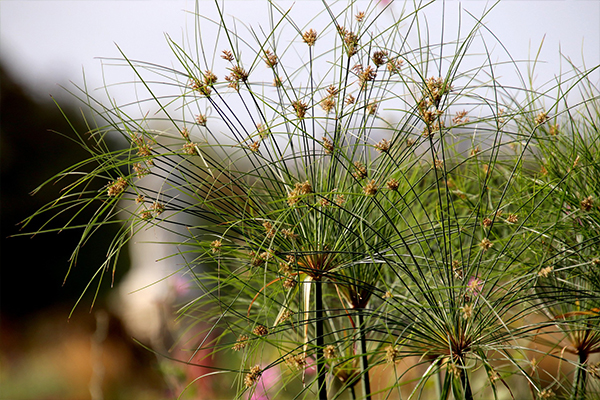
Description: This tall, reed-like plant with a distinct umbrella-shaped flower cluster at the top is an iconic symbol of ancient Egypt. Its stalks are triangular, and the top can reach 3 to 5 meters in height.
Habitat: Found in the Nile Delta, Nile banks, and shallow waters of the river.
Interesting Fact: Papyrus was historically used to make paper by ancient Egyptians and played a major role in their writing culture. The plant also provides habitat for various birds and small animals along the river.
Description: The striped hyena is a medium-sized, nocturnal carnivore with a thick, shaggy coat of gray and black stripes across its body. It has a mane running down its back, and its face is pointed with large, expressive eyes and ears.
Habitat: Typically found in the deserts and scrublands of Egypt, the striped hyena prefers dry, isolated areas where it can scavenge.
Interesting Fact: Unlike its spotted cousin, the striped hyena is more solitary and shy. It feeds on carrion, fruits, and insects and is known for its eerie, high-pitched call. Despite its scavenging habits, it plays an important role in maintaining ecological balance by cleaning up carcasses.

Description: The Nubian Ibex is a large, graceful species with a striking appearance. It has a sleek, sandy-brown coat that helps it blend into the desert landscapes, with white markings on the belly and legs. Its most notable feature is its impressive, backward-curving horns, which can grow up to 1 meter long in males.
Habitat: Found in the rugged mountains and rocky hills of southern Egypt, particularly in the Sinai Peninsula and parts of the Red Sea Mountains. They prefer steep, rocky cliffs where they can easily navigate and find shelter.
Interesting Fact: Nubian Ibexes are skilled climbers and can scale almost vertical rock faces with ease, using their sharp hooves to grip the rocky surfaces. These goats are adapted to survive in extreme heat, and their ability to thrive in harsh desert conditions is truly remarkable. They are also a symbol of strength and resilience in Egyptian culture.

January is an excellent time to explore Egypt’s rich cultural heritage, with mostly sunny and warm mornings perfect for sightseeing. However, be aware that popular sites can be quite busy. It’s wise to book hotels and boats well in advance, as they fill up quickly. The Red Sea offers warm waters year-round, but during the winter months (December to February), evenings can be cool, so packing a long-sleeved layer is advisable.
Expect mostly sunny and comfortable weather throughout the year. Rain is a rare occurrence, particularly along the coast, with monthly averages rarely exceeding a few millimeters.
Egypt’s diverse farming regions are shaped by climate, natural vegetation, soil type, and agricultural practices. Key produce includes tomatoes, potatoes, beets, oranges, onions, grapes, and dates, among other fruits and vegetables.
While Egypt may not be renowned for its wildlife diversity, it is home to fascinating species such as the desert lynx, the Egyptian wild cat, and the iconic camel. Camel tours are a popular way to experience the main attractions of Egypt.
The Red Sea’s waters are at their coolest in January and December, making these months ideal for those who prefer milder sea temperatures.
SEASONAL RATING

TEMPERATURES

RAINFALL

A favorite month for travelers seeking dependable winter sun while avoiding the scorching summer heat. If you’re planning to dive, consider bringing a summer wetsuit as sea temperatures are at their lowest.
Mild weather prevails, though temperatures may rise slightly.
Egypt’s farming regions vary by climate, natural vegetation, soil type, and farming practices. Major fruits and vegetables include tomatoes, potatoes, beets, oranges, onions, grapes, and dates, among others.
Though Egypt is not widely known for its wildlife diversity, native animals include the desert lynx, the Egyptian wild cat, and the iconic camel. Enjoy camel tours around Egypt’s main attractions.
As the water begins to warm, mid-day is ideal for water activities.
With the water warming up, mid-day is also the best time for bird watching and other water-based activities.
SEASONAL RATING
TEMPERATURES
RAINFALL
Enjoy a fantastic time exploring sightseeing spots, cruising on the Nile, and engaging in water-based activities. With temperatures rising into the mid-20°Cs, it’s the perfect climate for coastal adventures or Red Sea escapades while still being delightful for sightseeing. From March to April, coinciding with Easter, Egyptians from all walks of life celebrate Sham Al Naseem, or “smelling the breeze,” marking hope and renewal with the onset of Spring. Festivities include picnics, dancing, and music, creating a wonderfully convivial atmosphere. Combine the pleasant weather with Easter holidays, and it’s a bustling time to experience Egypt.
March boasts an average of 10 hours of sunshine daily, with temperatures steadily climbing.
Egypt’s diverse landscapes host various farming regions, each shaped by climate, natural vegetation, soil type, and agricultural techniques. Among the prominent crops cultivated are tomatoes, potatoes, beets, oranges, onions, grapes, and dates, among others.
While Egypt may not be renowned for its wildlife diversity, it is home to unique creatures such as the desert lynx, the Egyptian wildcat, and, most famously, camels. Embark on camel tours to explore Egypt’s iconic attractions.
The warm waters along Egypt’s coast are ideal for a wide range of activities.
SEASONAL RATING
TEMPERATURES
RAINFALL
The Khamsin wind brings a warm sandstorm typically around April/May, which can be intense but seldom lasts more than a few days and generally does not cause significant disruption. Ramadan, which shifts earlier by 11 days each year, falls in April in 2022 and may result in some adjustments to your travel schedule or dining arrangements, yet it offers a deeper immersion into the culture, enriching your travel experience. Your travel plans can be smoothly managed when accompanied by an international tour operator.
Temperatures begin to rise, amplified by the onset of ‘khamsin’ – hot spring winds, which may bring sandstorms and trigger temperature spikes.
Egypt is partitioned into several agricultural zones based on climate, indigenous flora, soil composition, and farming techniques. Among the prominent crops cultivated are tomatoes, potatoes, beets, oranges, onions, grapes, and dates, among others.
Although Egypt is not widely recognized for its diverse wildlife, indigenous animals include the desert lynx, the Egyptian wild cat, and the iconic camels. Camel tours offer a unique way to explore the main attractions of Egypt.
The warm waters are ideal for various activities.
SEASONAL RATING
TEMPERATURES
RAINFALL
As temperatures rise, numerous individuals – tourists and locals alike – seek refuge in Alexandria and the cooler Mediterranean coast, where gentle breezes and a maritime climate provide relief from the heat. The Red Sea also remains a popular destination for year-round diving adventures.
Temperatures are on the upswing, easily reaching the mid-30°C range with no precipitation.
Egypt is subdivided into various agricultural regions based on climate, indigenous flora, soil composition, and agricultural techniques. Among the prominent fruits and vegetables cultivated are tomatoes, potatoes, beets, oranges, onions, grapes, and dates, among others.
While Egypt may not be renowned for its diverse wildlife, indigenous animals include the desert lynx, the Egyptian wildcat, and, most famously, camels. Guided camel tours offer an immersive experience around Egypt’s key attractions.
The whale shark season in the Red Sea spans from May to July, although sightings are exceedingly rare.
SEASONAL RATING
TEMPERATURES
RAINFALL
The onset of summer brings high temperatures and 12 hours of daily sunshine, making June a scorching yet enticing time to travel. With temperatures still on the rise and prices significantly lower than in winter, June presents an opportunity for those who can tolerate the heat. Leisurely cruises along the Nile offer respite from the sweltering weather, thanks to gentle breezes or modern boat air conditioning. Moreover, you can avoid the crowds at renowned sites. However, it’s essential to note that Luxor and Aswan can experience even hotter temperatures.
June signifies the beginning of summer, with temperatures steadily rising.
Egypt’s diverse farming regions, shaped by climate, natural vegetation, soil type, and agricultural techniques, yield a variety of fruits and vegetables. Among the notable produce are tomatoes, potatoes, beets, oranges, onions, grapes, and dates.
While Egypt may not be renowned for its wildlife diversity, native animals such as the desert lynx, the Egyptian wild cat, and, most famously, camels, add to the country’s charm. Enjoy camel tours around Egypt’s main attractions for a unique experience.
During June to August, water temperatures in the Red Sea can soar up to 30°C.
Egypt becomes a breeding ground for a collection of African bird species during the summer months. Notably, the Sooty Falcon breeds on cliffs near Abu Simbel. Summer offers excellent opportunities for birdwatching, especially to observe Red Sea and Abu Simbel specialties, which exhibit distinct African characteristics due to their extreme southern location within the country.
SEASONAL RATING
TEMPERATURES
RAINFALL
Many travelers to Egypt during this time opt for the more temperate climates of the Mediterranean or head to the Red Sea for water sports. Desert and inland areas can be intensely hot during the day, making sightseeing somewhat challenging, though the lack of crowds makes for a serene and photogenic experience. Expect temperatures in the late 30s or even reaching 40°C.
Expect hot, dry weather with temperatures steadily rising, soon reaching their peak.
Egypt is divided into several farming regions based on climate, natural vegetation, soil type, and farming methods. Major fruits and vegetables grown include tomatoes, potatoes, beets, oranges, onions, grapes, dates, and more.
While Egypt may not be renowned for its diverse wildlife, native animals include the desert lynx, the Egyptian wildcat, and, most famously, camels. Enjoy camel tours around Egypt’s main attractions.
The warm summer months offer the best opportunities for spotting hammerhead sharks in the Red Sea, as well as whales.
SEASONAL RATING
TEMPERATURES
RAINFALL
The south is experiencing intense heat, making sightseeing most enjoyable either early in the morning or late in the evening. While the heat deters many visitors, those who do venture out will enjoy a more exclusive experience compared to the cooler months. The soft light of dawn and dusk offers excellent photographic opportunities, with few people around. Along the coast, temperatures are milder, and the shaded mangroves provide a relatively cool refuge.
Expect clear, sunny skies with scorching temperatures.
Egypt’s farming regions are categorized by climate, natural vegetation, soil type, and farming practices. Major crops include tomatoes, potatoes, beets, oranges, onions, grapes, and dates, among others.
Though not widely known for its wildlife, Egypt is home to animals such as the desert lynx, the Egyptian wildcat, and camels, which are most famously associated with the region. Camel tours are a popular activity around Egypt’s main attractions.
Water temperatures continue to rise.
Situated at the crossroads of Europe, Asia, and Africa, Egypt is a key stopover on a major winter migration route, attracting approximately 370 additional bird species annually. As summer ends, the first winter migrants arrive, aided by thermal winds.
SEASONAL RATING
TEMPERATURES
RAINFALL
As the intense summer heat begins to subside, the weather in September becomes pleasantly warm, resembling the conditions of May. Coastal areas benefit from refreshing sea breezes, making them particularly appealing. September is an ideal time to visit the beach or the Red Sea, especially for those looking to avoid the busy school holiday period.
Temperatures cool down to the mid-30s°C.
Egypt is divided into various farming regions based on climate, natural vegetation, soil type, and agricultural practices. The country produces a wide range of fruits and vegetables, including tomatoes, potatoes, beets, oranges, onions, grapes, and dates, among others.
While Egypt might not be widely recognized for its wildlife diversity, it is home to animals such as the desert lynx, the Egyptian wild cat, and, most famously, camels. Visitors can enjoy camel tours around Egypt’s main attractions.
The warm waters are perfect for a variety of activities.
Autumn is the prime season for bird watching, offering the greatest diversity and number of birds.
SEASONAL RATING
TEMPERATURES
RAINFALL
Daytime temperatures typically hover around 30°C or even high 20s, making desert regions more hospitable and sightseeing more comfortable.
One of the finest months, pleasantly warm during the day with refreshing cool breezes in the evenings.
Egypt boasts diverse farming regions characterized by climate, natural vegetation, soil type, and agricultural techniques. Major crops include tomatoes, potatoes, beets, oranges, onions, grapes, and dates, among others.
While Egypt may not be renowned for its wildlife diversity, native animals such as the desert lynx, the Egyptian wildcat, and, most famously, camels can be spotted. Camel tours offer an immersive experience around Egypt’s main attractions.
Enjoy warm waters ideal for various coastal activities.
SEASONAL RATING
TEMPERATURES
RAINFALL
Enjoy delightful temperate weather in November, making it an ideal time to visit, especially for those who prefer to travel outside of the school holidays.
Expect clear and sunny skies with temperatures gradually cooling as winter approaches.
Egypt boasts several distinct farming regions, each influenced by climate, natural vegetation, soil type, and farming practices. Major crops include tomatoes, potatoes, beets, oranges, onions, grapes, and dates, among others.
While Egypt may not be renowned for its wildlife diversity, native animals such as the desert lynx, the Egyptian wildcat, and the iconic camel can be spotted. Explore the main attractions of Egypt through camel tours.
As the waters cool, it’s best to enjoy water activities during the midday hours when temperatures are warmer.
Witness the arrival of migratory water birds and waders from the north, as they flock to the Nile and its surrounding wetlands, which serve as vital wintering grounds on an international scale.
SEASONAL RATING
TEMPERATURES
RAINFALL
Winter in Egypt offers pleasant temperatures in the mid-20°C range and clear, sunny skies. Rain is almost nonexistent, making it ideal for sightseeing and exploring the desert. The Christmas and New Year period is particularly busy, with accommodation prices rising significantly, so booking well in advance is recommended.
Expect mild sun with cool mornings and chilly nights. Rainfall is rare and usually light, but coastal areas and the Red Sea may experience occasional heavier showers, though it totals only about 12mm.
Egypt’s agricultural regions vary based on climate, natural vegetation, soil type, and farming practices. Major crops include tomatoes, potatoes, beets, oranges, onions, grapes, and dates, among others.
While not widely known for its wildlife, Egypt is home to species such as the desert lynx, Egyptian wild cat, and most notably, camels. Camel tours are a popular activity around Egypt’s main attractions.
The Red Sea’s water temperatures are at their coolest during January and December.
SEASONAL RATING
TEMPERATURES
RAINFALL
 enquiries@jddestinationstravel.com


